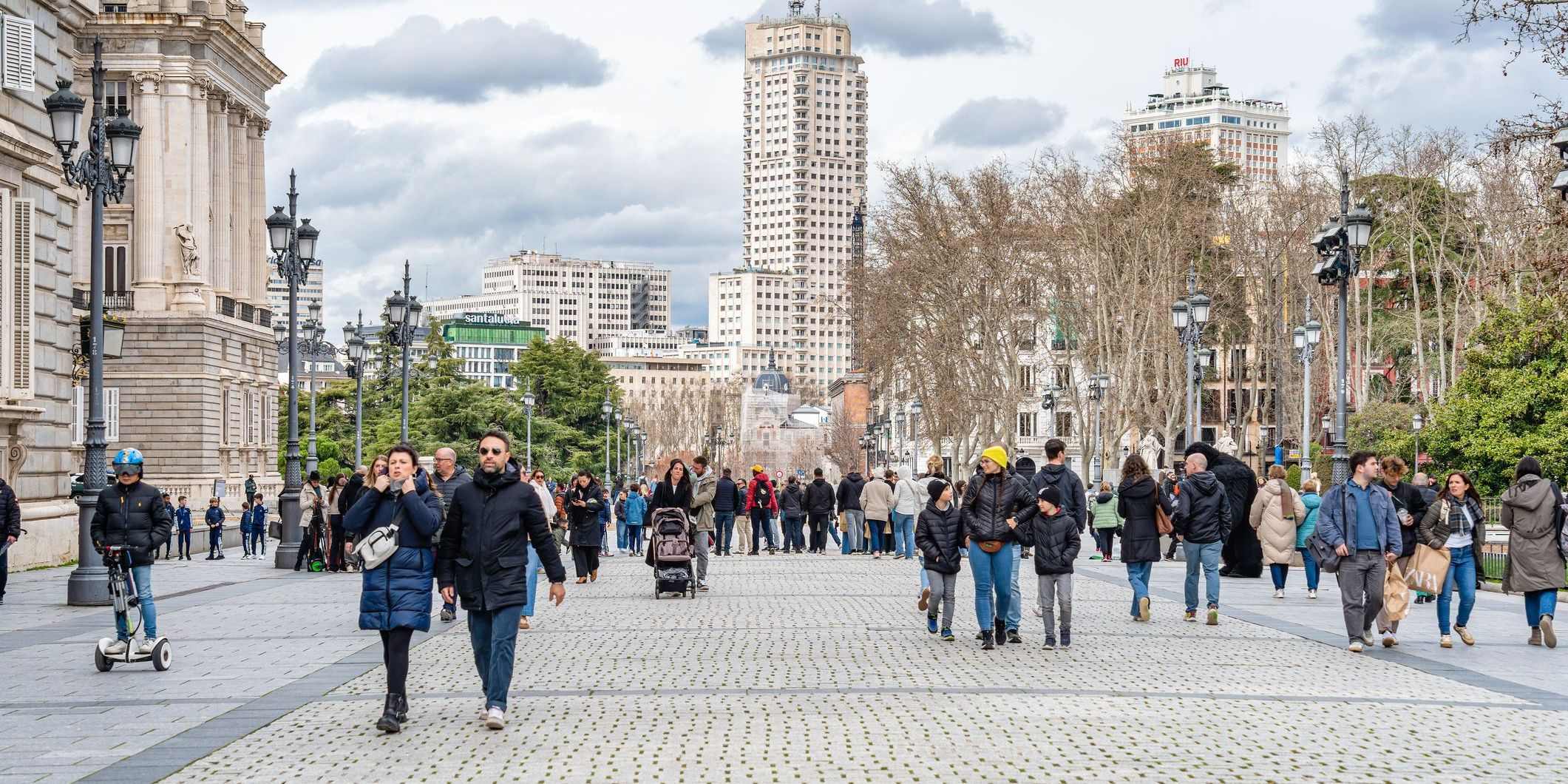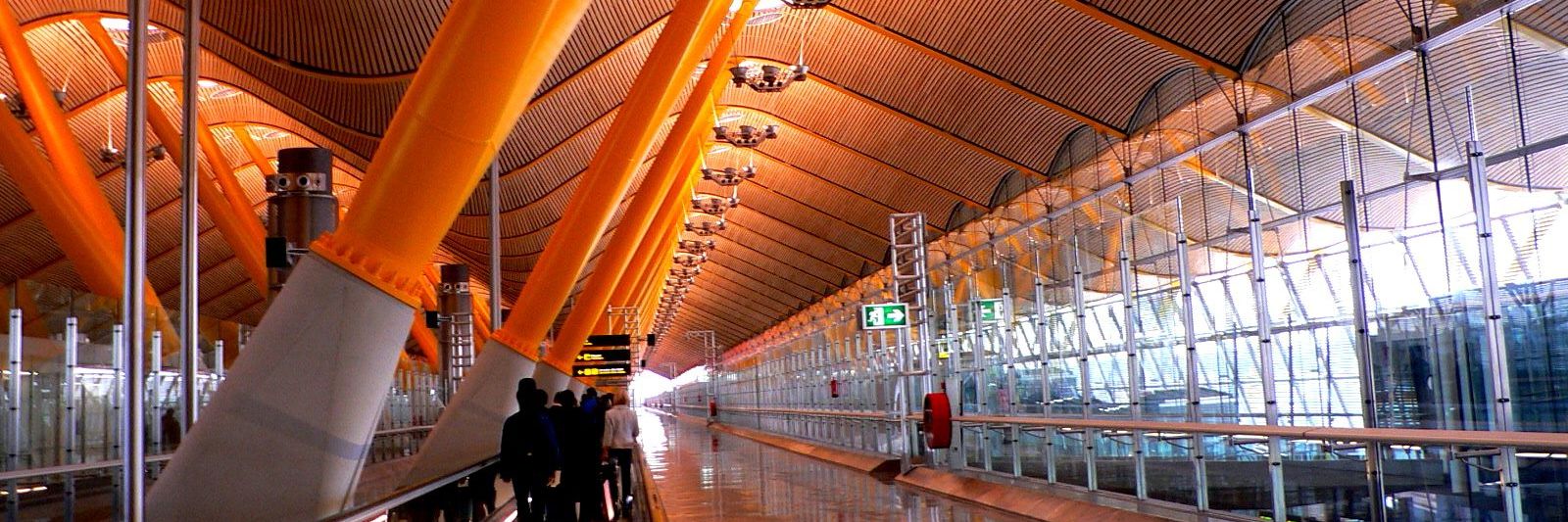
We all look to check off the monuments in the cities we travel to, right? Well, in Madrid you’d better make some time because the Spanish capital has an endless monumental heritage. Between palaces, gates, squares, and sculptures, it forms one of the most complete—and most photogenic—catalogs in Europe.
And as it couldn’t be any other way, today we bring you the list of the ten most important monuments in Madrid so you don’t miss a single one.
#1 Royal Palace
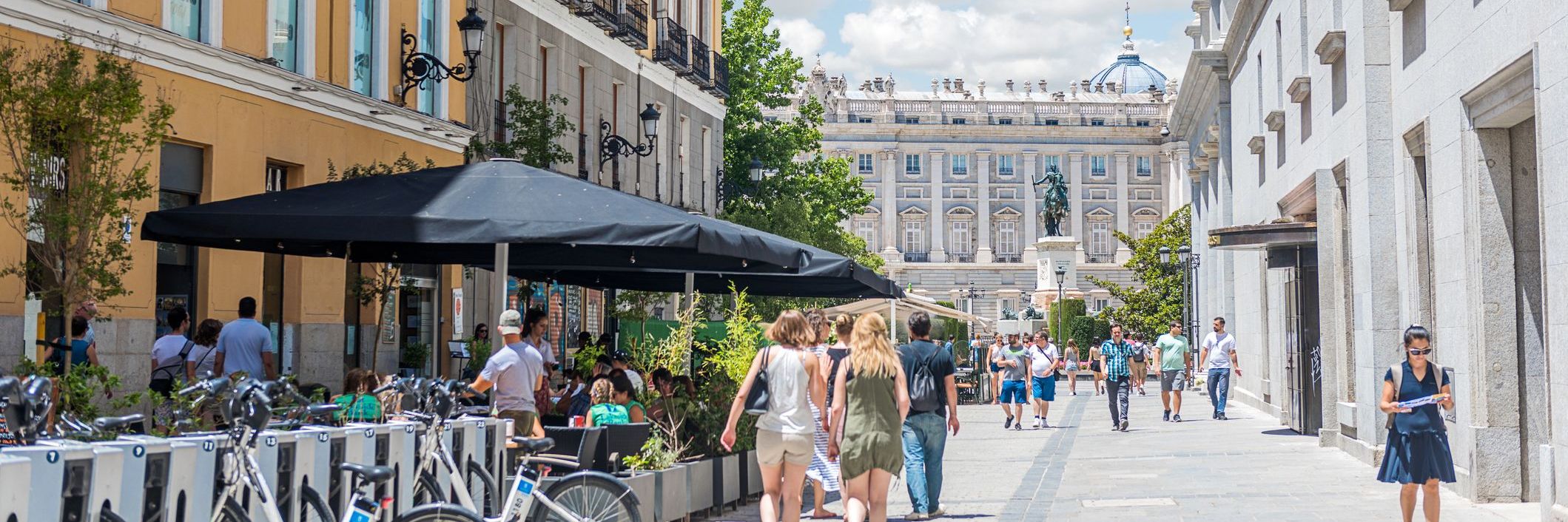
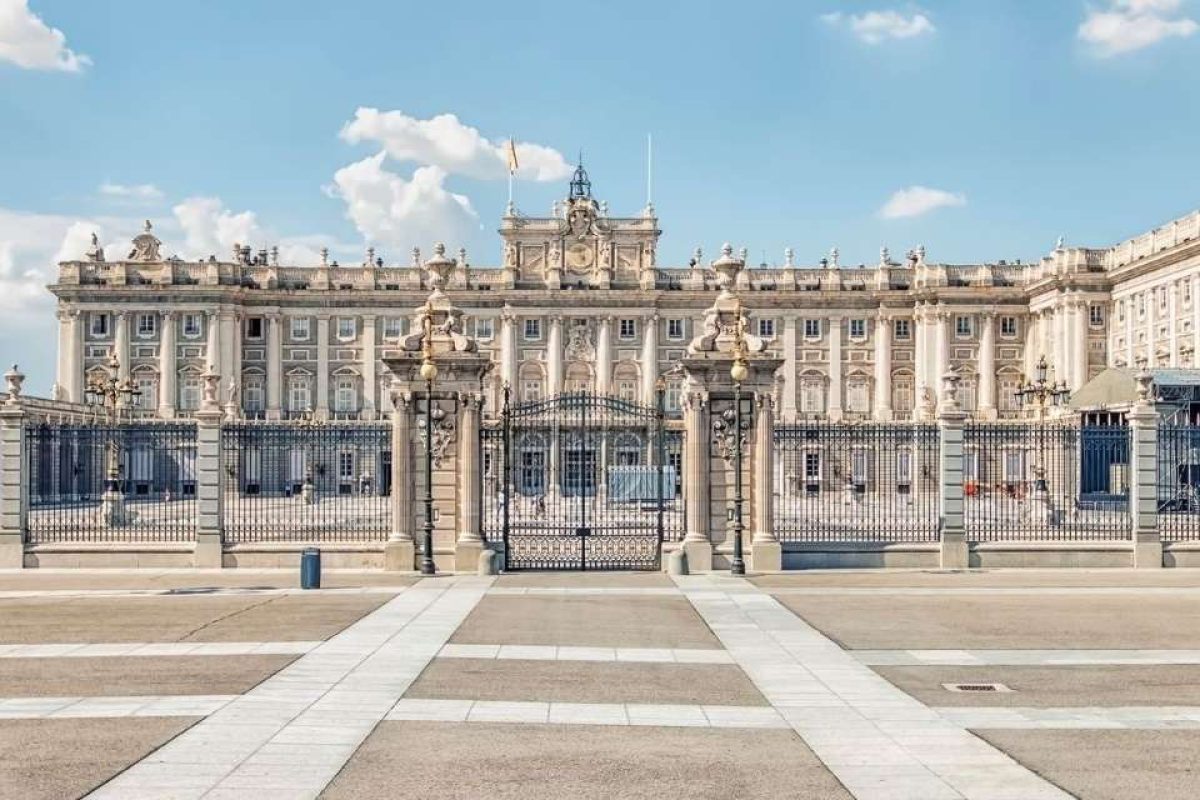
The Royal Palace of Madrid is the official residence of the Spanish royal family—although they don’t actually live here—and the largest royal palace in Western Europe, with over 3,400 rooms. Mind you, only 50 of them are open to the public, but that’s more than enough to leave you speechless.
It was built in the 18th century by order of Philip V—after the fire at the Alcázar that stood in the same spot—and is the work of architect Filippo Juvara and his disciple Giovanni Battista Sacchetti. That’s why its style is Italian Baroque in limestone and white granite.
In addition to the architecture, inside it houses one of the most complete collections of Flemish tapestries in the world, an armory considered one of the most important in Europe, and if you go to see it on Wednesday or Saturday and it coincides with the Changing of the Guard, enjoy the show—it’s free!
#2 Puerta de Alcalá
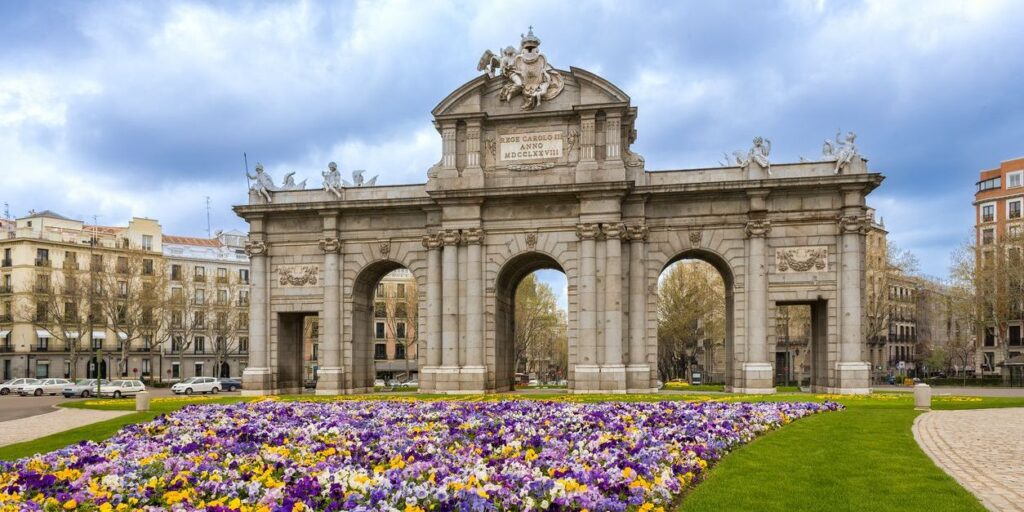
Now it’s the turn of the city’s absolute symbol! The Puerta de Alcalá was built in 1778 by order of Charles III and designed by Francisco Sabatini; and it’s not the first one that stood here, previously there was a more modest one that wasn’t up to the standard the king wanted to project.
The one you’re going to see is a neoclassical gate with five arches—three semi-circular and two lintelled—that presides over the Plaza de la Independencia and welcomes you to El Retiro Park.
#3 El Retiro and the Crystal Palace
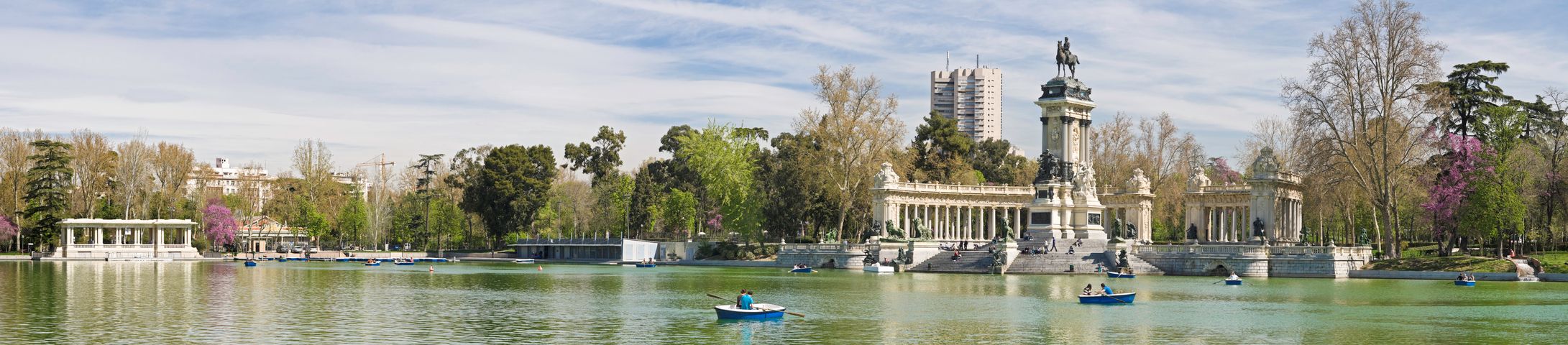
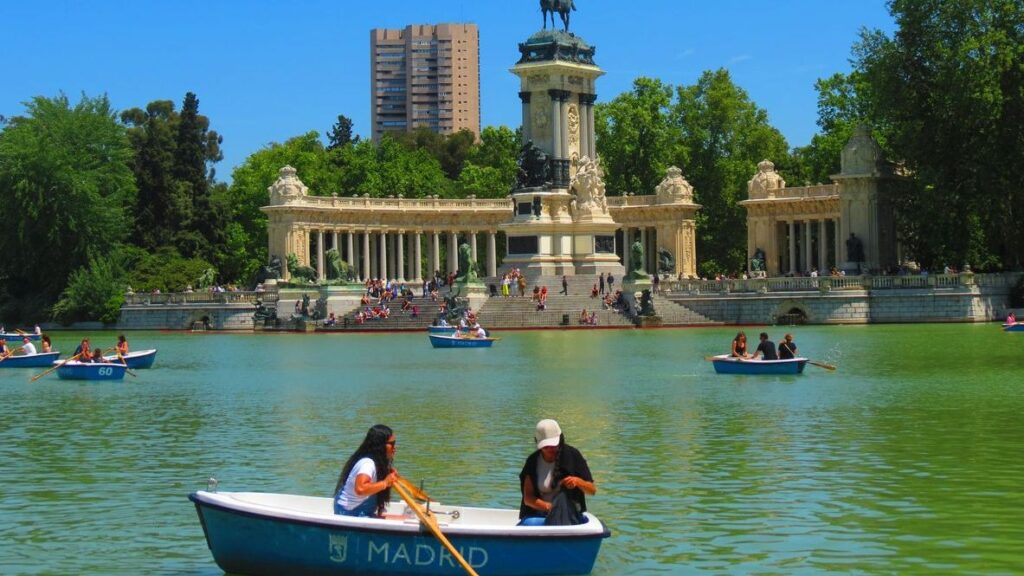
El Retiro Park, declared a UNESCO World Heritage Site in 2021 along with the Paseo del Prado, covers more than 125 hectares and houses several monuments, sculptures, fountains, and two palaces.
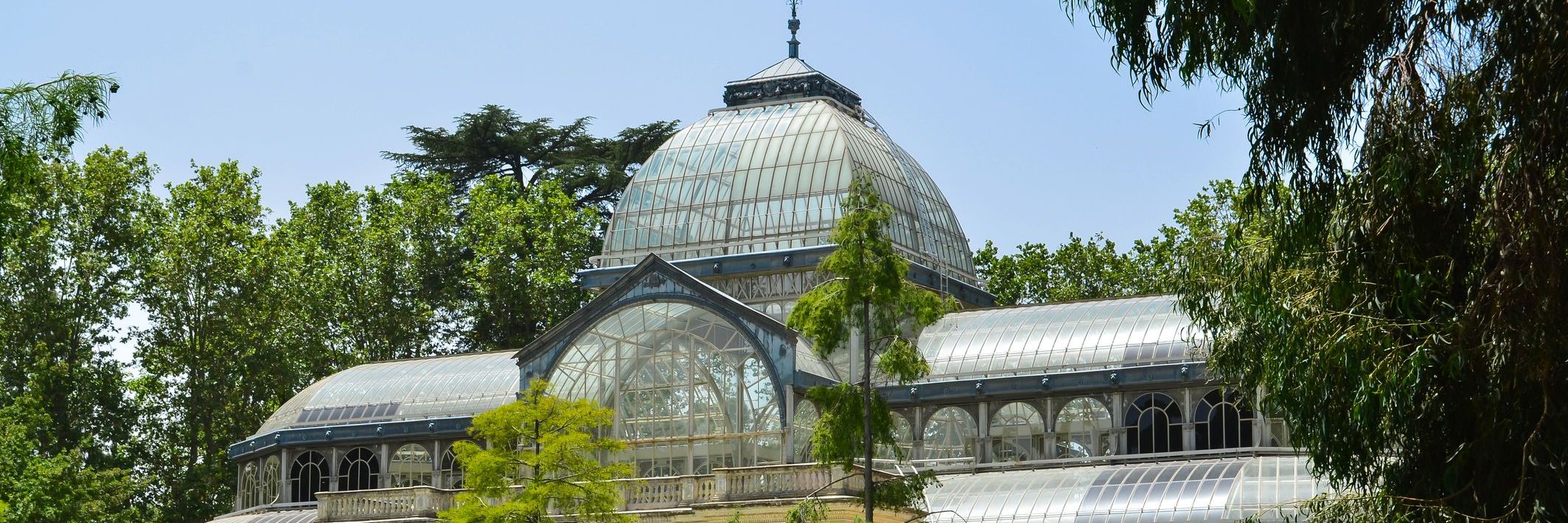
The most iconic of all is the Crystal Palace, an iron and glass structure built in 1887 that originally housed an exhibition of exotic flora from the Philippines and is now one of the exhibition halls used by the Reina Sofía Museum.
Another impressive monument is the Fallen Angel, a sculpture by Ricardo Bellver dedicated to the devil.
#4 Plaza Mayor
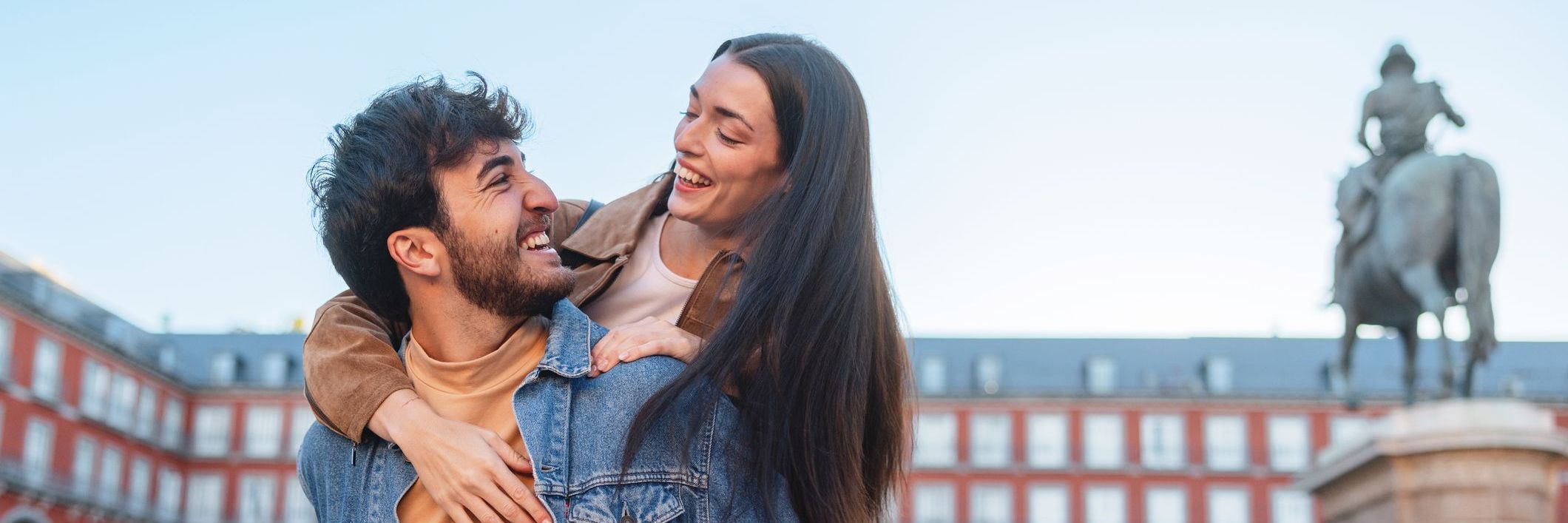
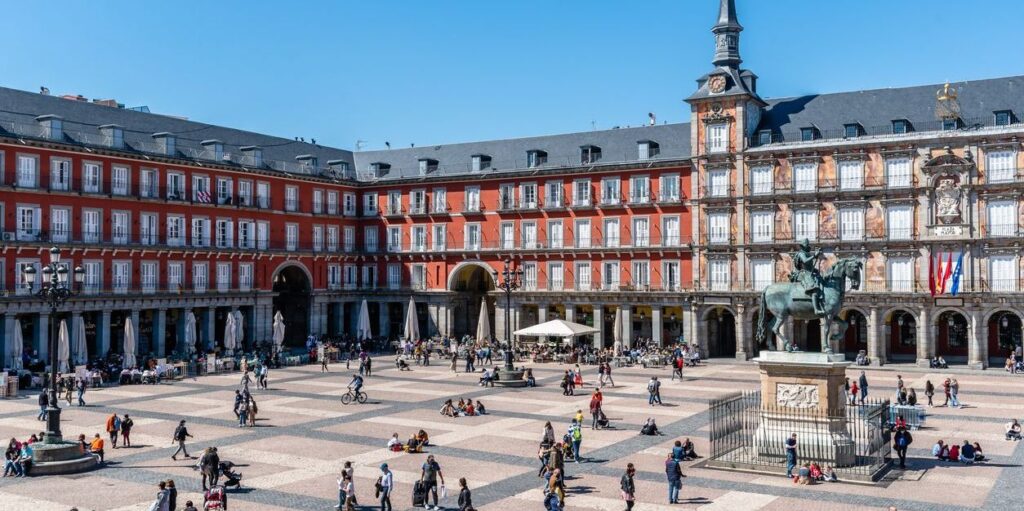
The Plaza Mayor is one of the most important monuments—Hapsburg Madrid—and also one of the liveliest and most welcoming spaces in the city. It was the setting for bullfights, markets, royal proclamations and, unfortunately, also Inquisition autos-da-fé.
It is surrounded by nine access arches and features the characteristic Casa de la Panadería—with the famous frescoes by Carlos Franco on the facade.
#5 Gran Vía
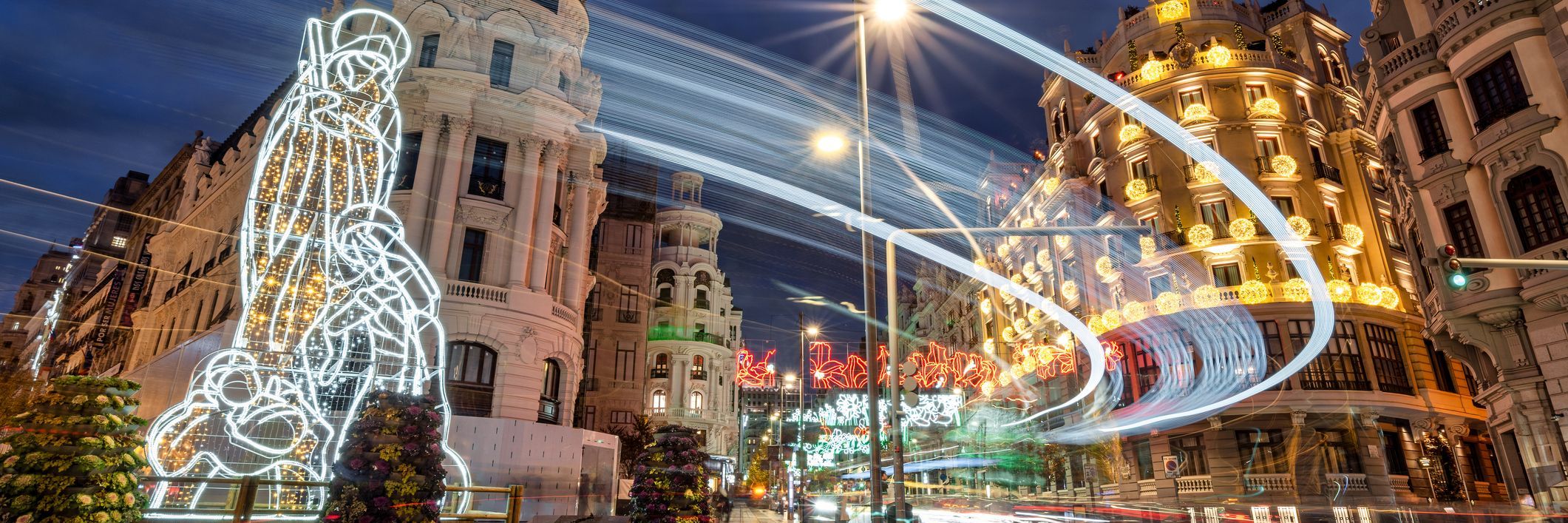
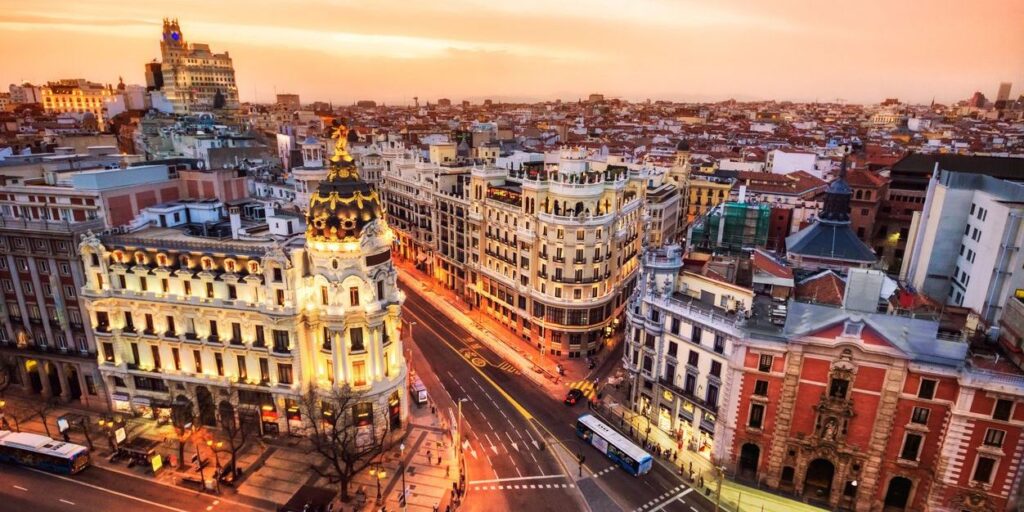
Gran Vía as a monument? Yes, why not? This avenue, built between 1910 and 1932, is in itself an architectural heritage of the highest order. Its Beaux-Arts and Art Deco style buildings form an ensemble that many compare to Broadway or the Champs-Élysées.
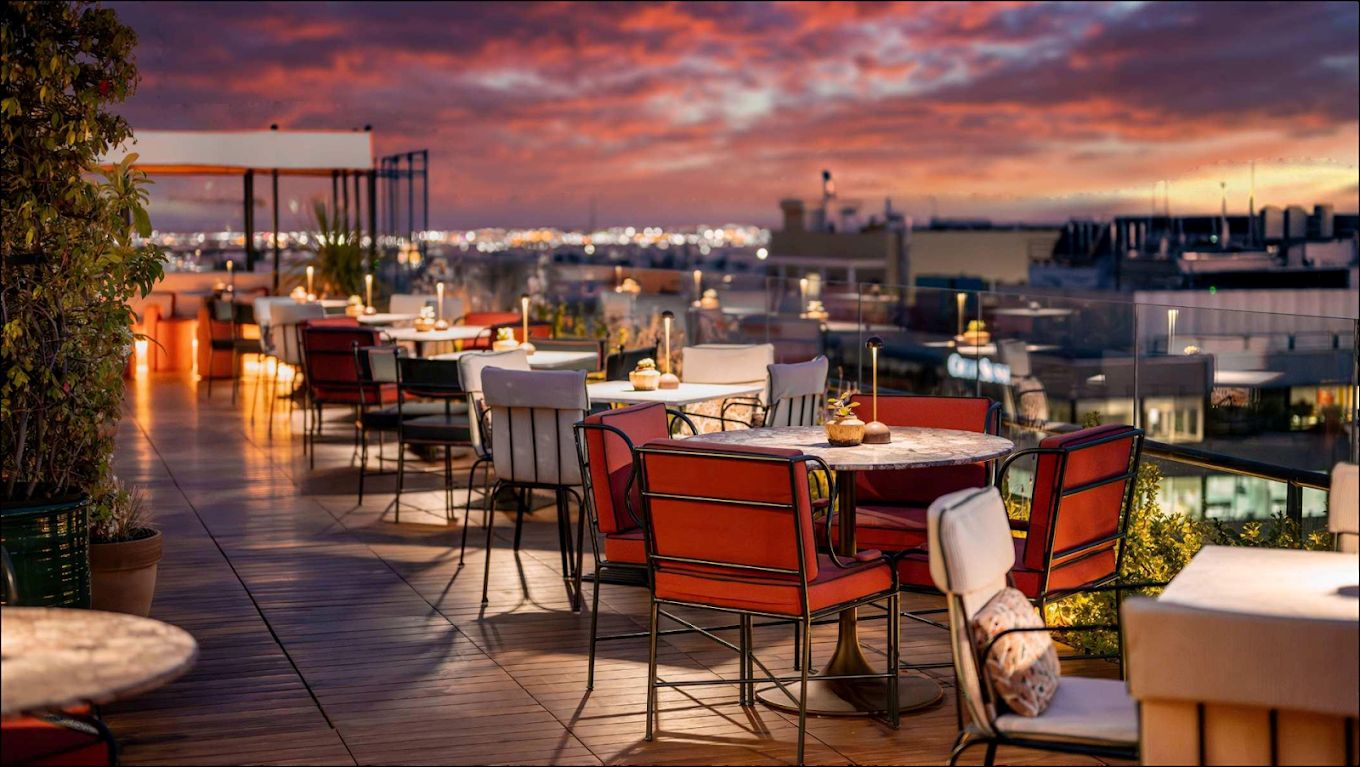
Buildings like the Telefónica building—Europe’s first skyscraper—, the Capitol, or the Carrión are pieces that deserve a look up. Or not, because you can also appreciate them from some of the best rooftops in Madrid in this area; the views are absolutely spectacular.
#6 The Bear and the Strawberry Tree Monument
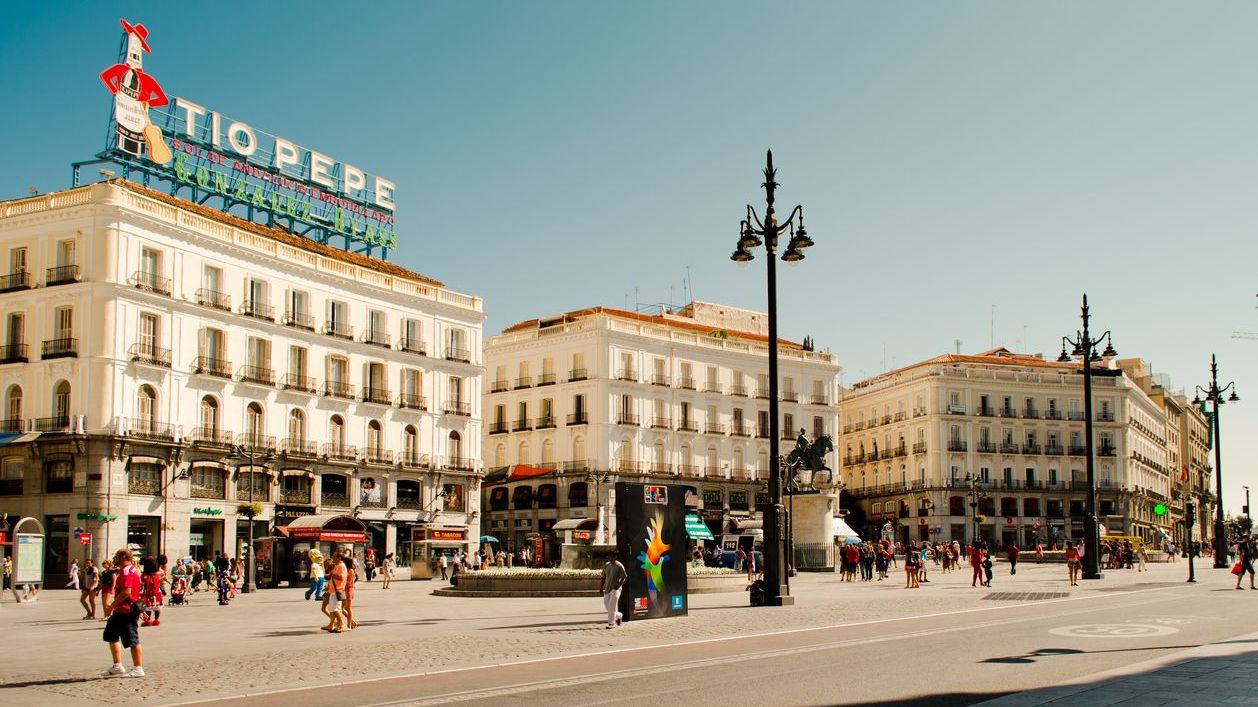
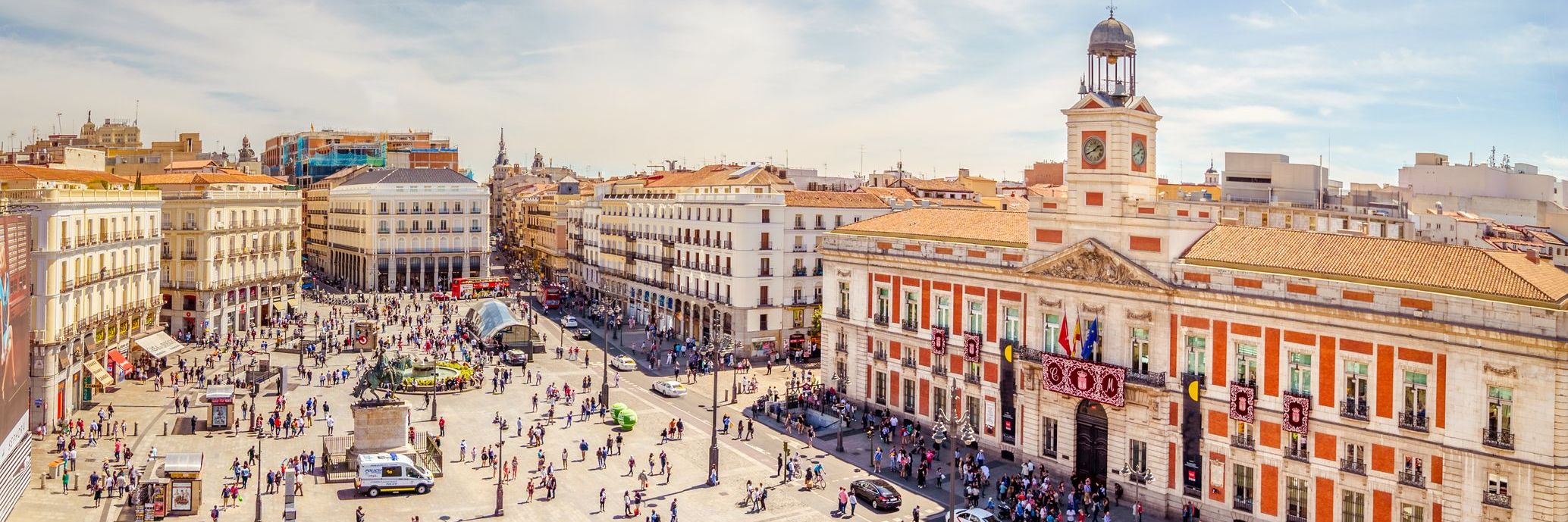
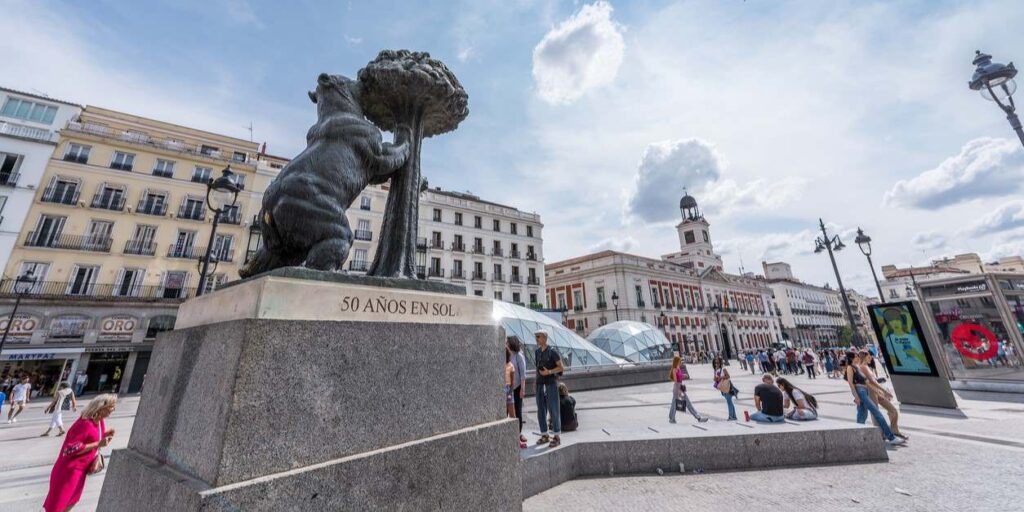
The bear monument in Madrid—officially called “El Oso y el Madroño”—is probably the most photographed monument in the capital. It’s in Puerta del Sol and is the quintessential meeting point for Madrilenians.
It is a bronze sculpture, the work of Antonio Navarro Santafé, representing the city’s coat of arms: a brown bear leaning against a strawberry tree. Yes, because in the past bears and strawberry trees were abundant in Madrid, even if it seems incredible today.
#7 May 2nd Monument
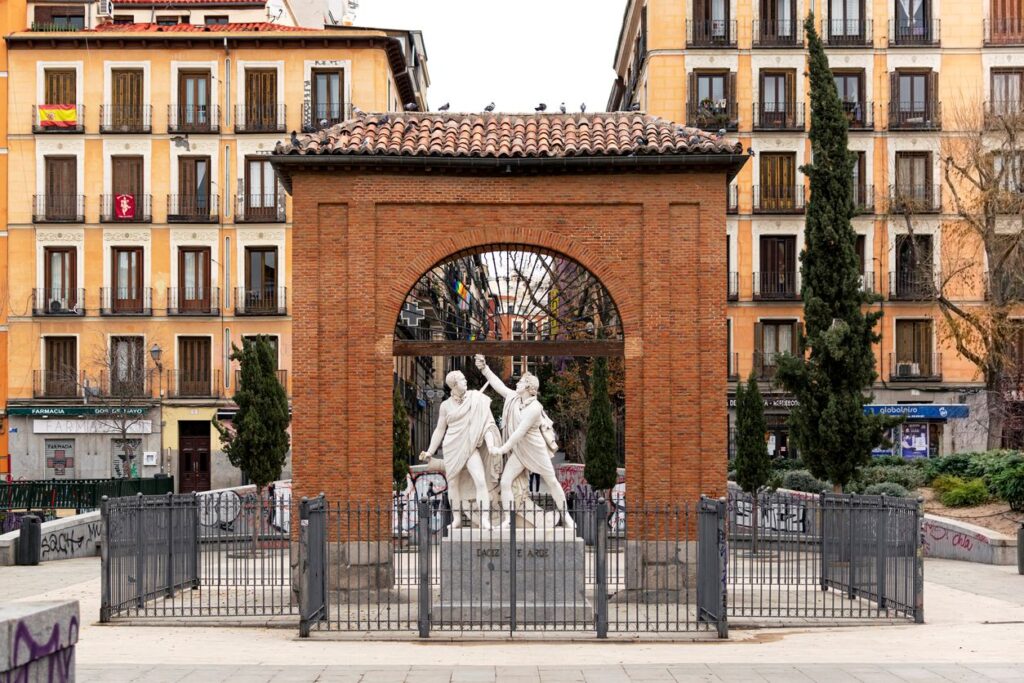
The May 2nd monument in Madrid is in the Plaza del Dos de Mayo, forgive the redundancy, in the Malasaña neighborhood. It commemorates the popular uprising of May 2, 1808, against Napoleonic troops. You could say it’s the most emotionally charged monument in Madrid, which is saying something!
The arch and the obelisk that preside over the square are actually the remains of the Monteleón Artillery Park, where Daoíz and Velarde—the two artillerymen who led the resistance—died defending Madrid.
#8 Monument to the Fallen in Madrid
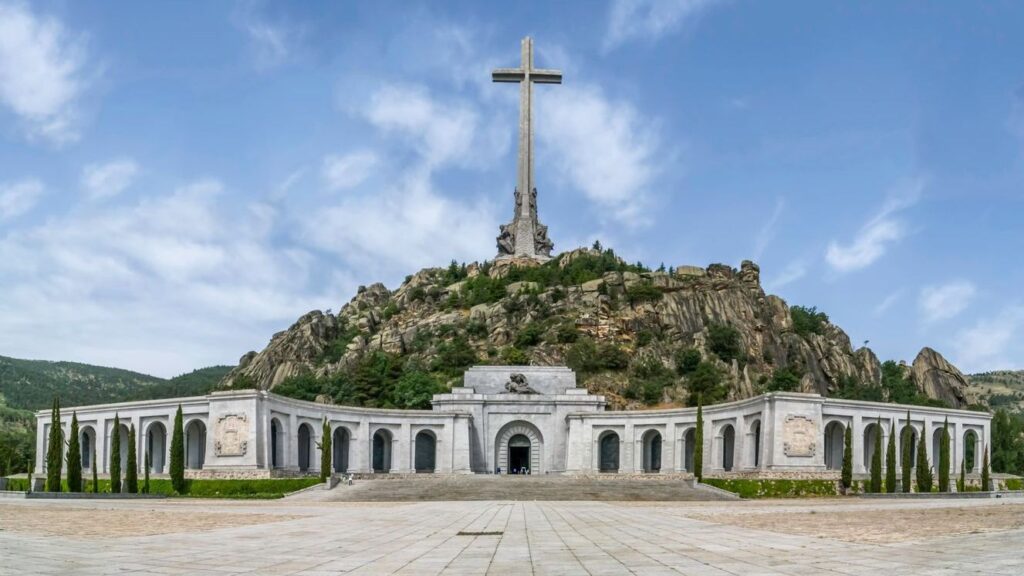
The monument to the fallen in Madrid—better known as the Valley of the Fallen and officially renamed the Valley of Cuelgamuros—is one of the most controversial and visited places on the outskirts of the capital.
It is located in San Lorenzo de El Escorial, about 50 kilometers from Madrid—the furthest one we’re going to mention—and was built between 1940 and 1958 by order of Francisco Franco.
It is a basilica carved into the rock with a huge 150-meter-high cross presiding over it which, after several transformations, is now a space to contribute to democratic memory with explanatory panels about the Civil War and the Franco dictatorship.
If you’re thinking about what to see in Madrid in 3 days, an excursion here could be a great idea.
#9 Temple of Debod
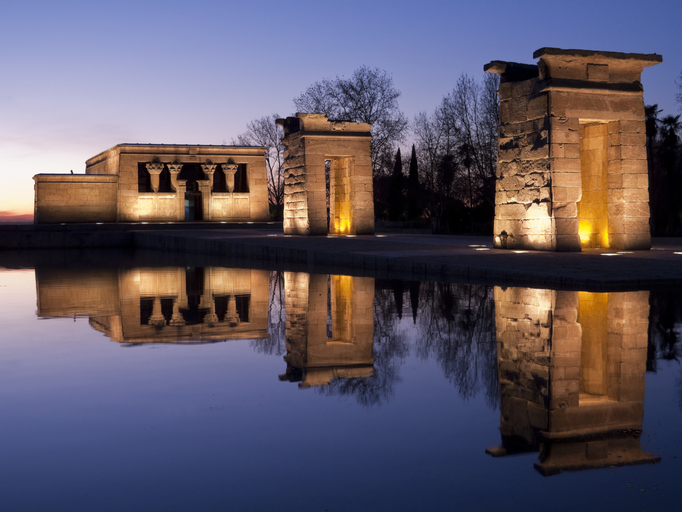
In Madrid there is an Egyptian temple, with 2,200 years of history, dismantled stone by stone in Egypt and rebuilt next to the Parque del Oeste. It was a gift from the Egyptian government to Spain in 1968 as a thank you for Spanish collaboration in saving the temples of Nubia—threatened by the construction of a dam.
#10 Cibeles and Neptune
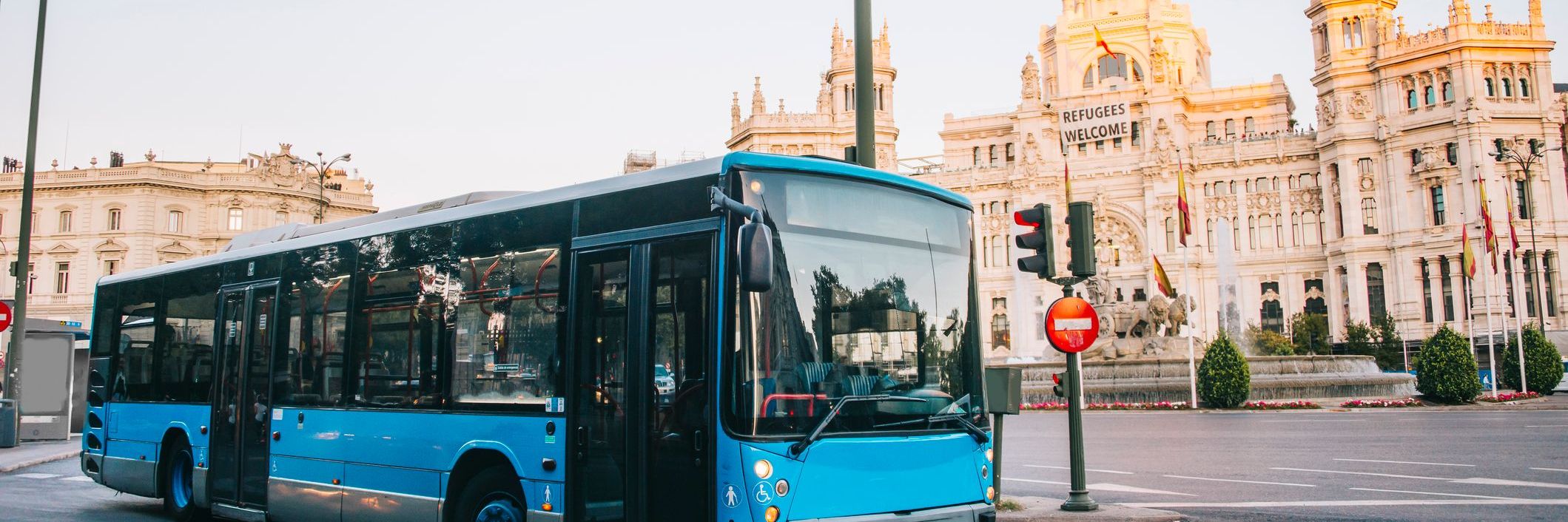
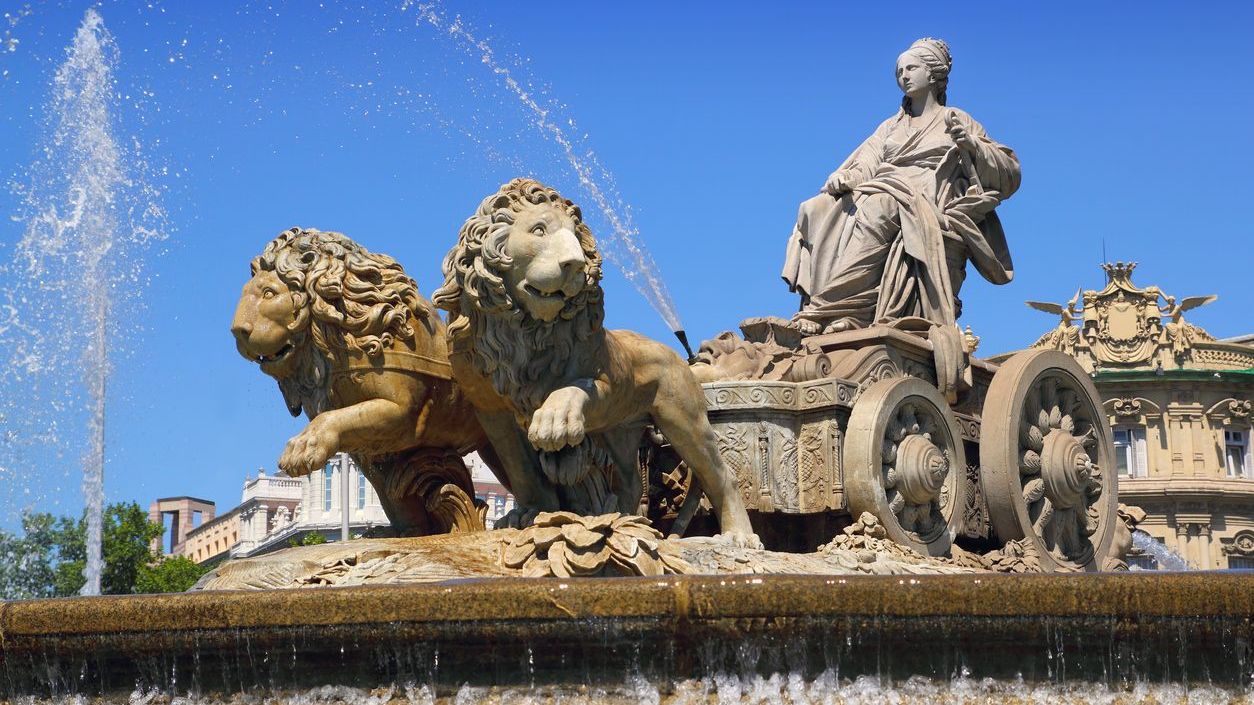
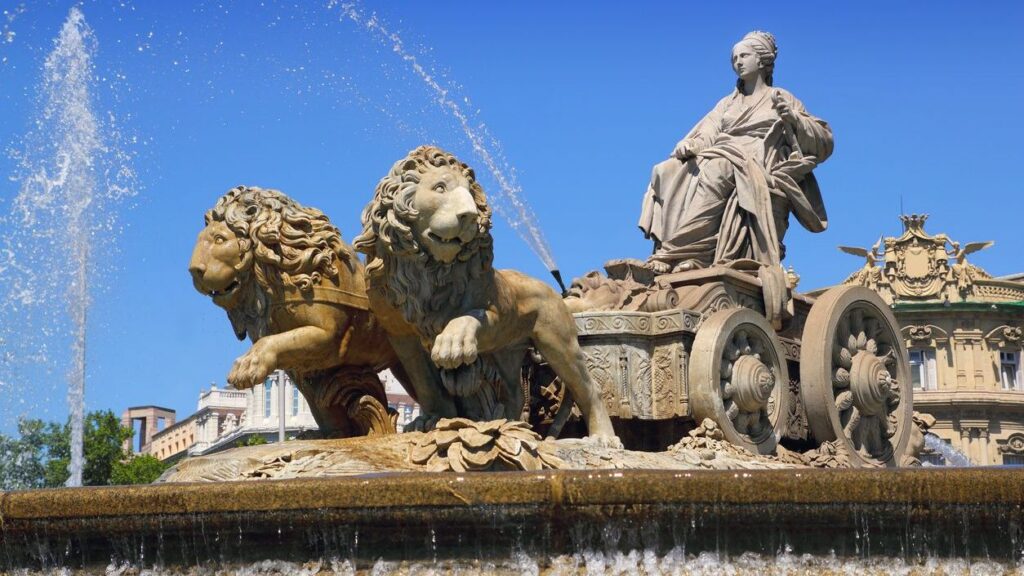
We couldn’t close the list of the ten monuments in Madrid without talking about the two most famous fountains in the city: the Cibeles Fountain and the Neptune Fountain; both are on the Paseo del Prado.
The Cibeles Fountain represents the Roman goddess of nature on a chariot pulled by lions—the place where Real Madrid fans celebrate their titles—and the Neptune Fountain represents the god of the sea with his trident on a chariot pulled by sea horses—and, interestingly, it’s the meeting point for Atlético de Madrid supporters.
And now, where are you staying?
You already have your list of the most important monuments in Madrid ready to cross off one by one. But if you want your visit to be perfect, you need one of the accommodations we have at WAOU Rentals.
From our apartments and flats, you have direct access to the best neighborhoods in Madrid, to all the monuments we’ve talked about—with the exception of the Valley of the Fallen, which is further away—to the terraces and the best rooftops in Madrid.
What are you waiting for? Book yours now and come to see all the monuments in Madrid.